
Why Including Non-Living Area in Listings Hurts Appraisals
Including non-living areas like unfinished basements or unheated porches in a home’s total square footage can artificially inflate the list price. When an appraiser applies strict ANSI standards, the resulting lower valuation often triggers an appraisal gap, potentially causing financing to fail and the entire sale to collapse.
What is the difference between living and non-living area?
In the world of real estate valuation, not all square footage is created equal. As both a REALTOR® and a Certified Residential Appraiser with 25 years of experience on the South Shore, I see this confusion daily. Gross Living Area (GLA) refers to the total area of finished, above-grade residential space. To be counted as GLA, an area must be finished, heated, and legally habitable.
Non-living areas, while valuable for storage or potential future use, do not count toward the primary square footage that lenders use to justify a loan. Common examples of non-living areas include:
- Unfinished basements or crawl spaces
- Attached or detached garages
- Unheated sunrooms or screened-in porches
- Attics without permanent stairs or adequate ceiling height
- Storage sheds and outbuildings
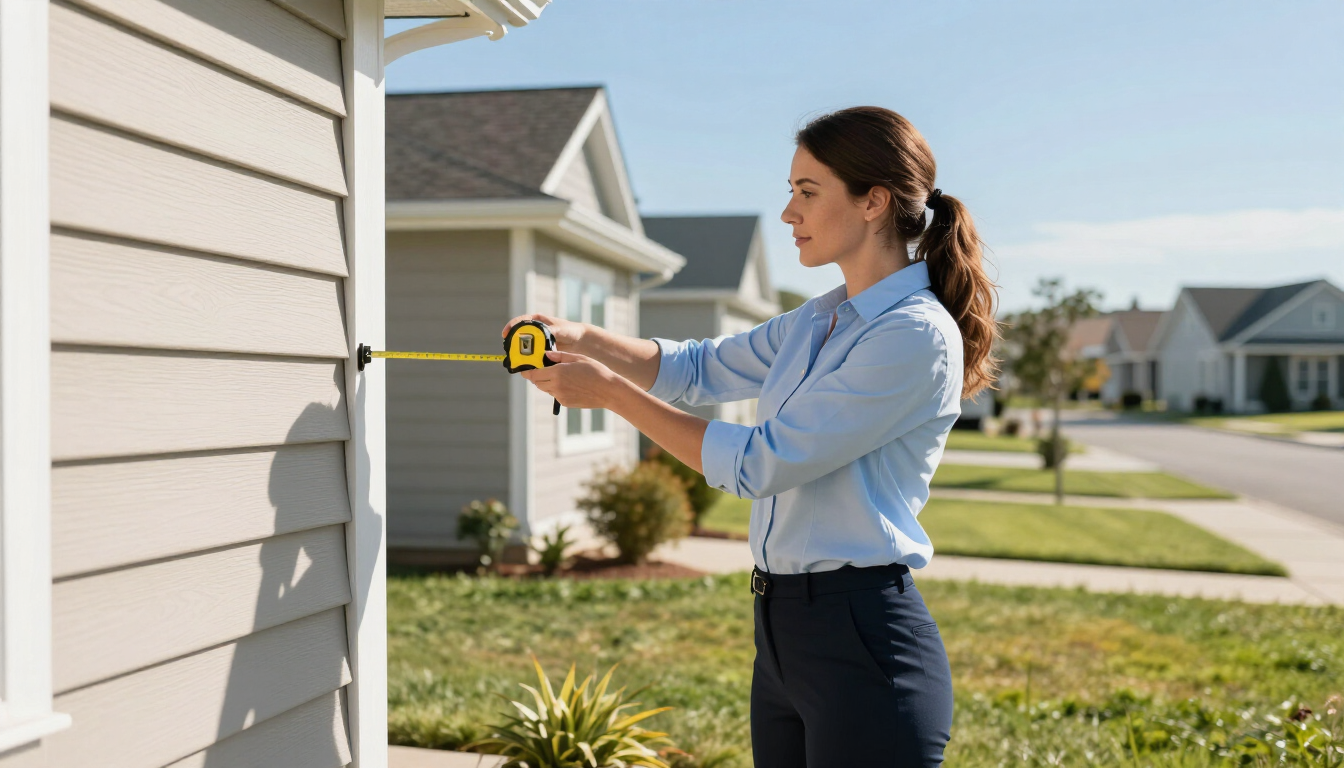
When a realtor including non living area in the main square footage count of a listing, they are often trying to make the home appear larger to attract more clicks. However, this creates a false expectation. A home listed as 2,500 square feet that actually only has 1,800 square feet of GLA will face immediate scrutiny once a professional appraisal is conducted for the buyer's lender.
Why do realtors include non-living space in listings?
The motivation is usually simple: competition. In a crowded market in towns like Easton, Canton, or Sharon, agents want their listings to stand out. By including a 500-square-foot unfinished basement in the total, the "price per square foot" looks much more attractive on sites like Zillow or Redfin.
However, this strategy is short-sighted. While it might bring more feet through the door during an open house, it sets the stage for a major conflict during the services phase of the transaction. If the buyer is using a conventional, FHA, or VA loan, the lender will hire an appraiser who must follow the ANSI (American National Standards Institute) Z765-2021 guidelines. These rules are non-negotiable. If the agent’s math doesn't match the appraiser’s math, the value won't be there, and the deal could be dead in the water.
How inaccurate square footage causes appraisal gaps
An appraisal gap occurs when the appraised value of a home comes in lower than the agreed-upon purchase price. This is the ultimate "deal-killer" for sellers who are looking to upsize. If you are selling your current home to fund the purchase of a larger one, you likely have a specific net-gain number in mind. A $20,000 or $30,000 appraisal shortfall can ruin your ability to put a down payment on your next property.
When a realtor including non living area in their valuation model, they are essentially guessing. Appraisers, on the other hand, use a comparative market analysis based on verified GLA. If the comps in the neighborhood are all 2,000 square feet and your home is listed as 2,500 (but is actually 2,000 plus a basement), the appraiser will compare your home to other 2,000-square-foot properties.
Common consequences of an appraisal gap include:
- The buyer asking for a significant price reduction.
- The buyer being forced to come up with more cash to cover the difference.
- The lender refusing to fund the loan entirely.
- The seller having to restart the listing process from scratch.
- Lost time and missed opportunities for the seller’s next purchase.
As someone who has spent a quarter-century producing valuations that have never been contested, I can tell you that precision is your greatest defense. You can learn more about my background as an appraiser and agent on my About Me page.
Can a finished basement be counted as square footage?
This is one of the most frequent questions I receive. The short answer is: No, not in the Gross Living Area. Even if a basement is beautifully finished with a home theater, a bathroom, and high-end flooring, it is still considered "below-grade."
Under ANSI standards, if any part of a floor is below the exterior ground level (even by an inch), that entire level is classified as basement area. It still adds value to the home—often significantly—but it must be listed and valued on a separate line of the appraisal report.
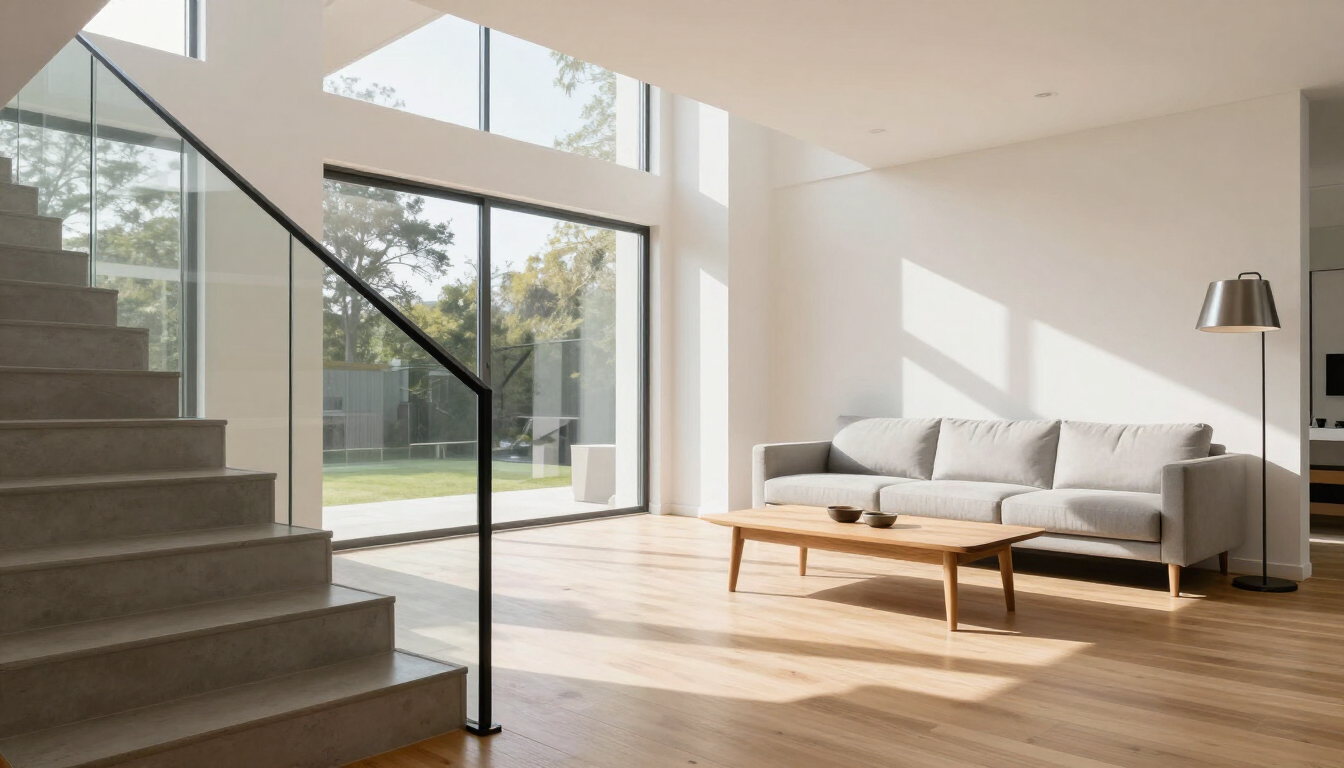
When a realtor including non living area (like a walk-out basement) into the main square footage, they are misleading the market. A buyer's lender will see two distinct values: the GLA and the finished basement value. The per-square-foot value of a basement is typically much lower than that of the main living levels. Confusing the two is a recipe for a failed appraisal.
The risks of misleading real estate descriptions
Beyond the appraisal, there are legal and ethical risks to misrepresenting a home's size. In probate and estate settlements—areas I specialize in—the numbers must be defensible in court. If an heir or a divorcing spouse feels the home was undervalued or over-inflated due to inaccurate square footage reporting, it can lead to years of litigation.
For a seller looking to list with me , I provide a level of data integrity that most agents simply can't match. We don't guess at the square footage; we measure it to the same standards the bank’s appraiser will use. This transparency builds trust with buyers and their agents, leading to smoother negotiations and firmer offers.
Misleading descriptions can also lead to "stale" listings. If a buyer views a home expecting 3,000 square feet of living space but finds a small ranch with a large unfinished basement, they feel deceived. That negative first impression is hard to overcome, even if the house is otherwise perfect.
What should sellers do to ensure appraisal accuracy?
To protect your equity and your timeline, you must be proactive. Don't wait for the appraiser to arrive to find out your home is smaller than you thought. Here is how you can ensure your listing is appraisal-ready:
- Verify the measurements: Ask your agent exactly how they calculated the square footage.
- Review the floor plans: Ensure the distinction between heated living area and unheated space is clear.
- Identify below-grade space: Acknowledge finished basements as a separate, value-added feature.
- Document upgrades: Keep records of permits for finished spaces to prove they meet building codes.
- Hire an expert: Work with an agent who understands the appraisal process from the inside out.
If you are navigating a complex transaction like a divorce or an estate sale, accuracy is not optional. These situations require a "defensible number" that can stand up to scrutiny from attorneys and judges. My 25 years as a Certified Residential Appraiser means I provide that precision from day one.

Summary of square footage and appraisal impact
Accurate square footage is the foundation of a successful home sale. When a realtor including non living area in the primary listing data, it creates a house of cards that often collapses during the appraisal. For sellers in the South Shore area, especially those looking to upsize or dealing with the sensitivities of probate, precision is the only way to ensure a guaranteed closing.
Key Takeaways:
- Gross Living Area (GLA) only includes finished, heated, above-grade space.
- Including basements or garages in the main square footage leads to appraisal gaps .
- Appraisers follow ANSI standards which are stricter than many real estate listings.
- Accuracy prevents deal-killing surprises and protects your next home purchase.
- Working with a REALTOR® who is also a Certified Residential Appraiser gives you a 2% competitive edge.
If you are ready to sell your home with a pricing strategy backed by 25 years of appraisal expertise, contact us today to schedule a consultation. We’ll make sure your home is valued correctly, marketed honestly, and sold for the highest defensible price.